
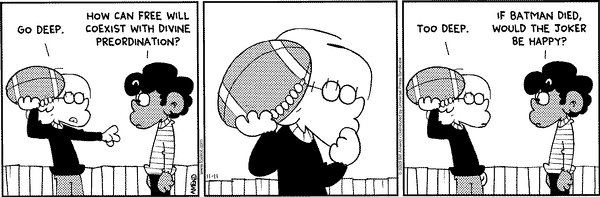
Ever wondered if your choices really matter? Like, are you the driver of your own destiny, or is God behind the wheel, controlling every turn?

Think about it—if God already knows who will be saved, does that mean some people are just doomed from the start? If salvation is purely God’s choice, does that mean our faith and obedience don’t matter? And if we actually have free will, does that make God less sovereign?
This question has divided Christians for centuries.
Some say, “God is in full control of salvation!”
Others respond, “But He gave us free will!”
And the crazy thing? Both seem to be in the Bible.
So, let’s wrestle with one of the most profound mysteries of faith:
Do we choose God, or did He already choose us?
1. The Case for “God Chooses” (Predestination)
Imagine you’re applying for university, but instead of you picking the school, the school picks you—before you even know what education is. That’s how some people view salvation.
Key Scriptures:
“He chose us in Him before the foundation of the world.”
(Ephesians 1:4)
“So then it depends not on human will or exertion, but on God, who has mercy.”
(Romans 9:16)
“You did not choose me, but I chose you.”
(John 15:16)
This is where Calvinism (or Reformed Theology) comes in.
It teaches that:
✔️ God, in His sovereignty, has already chosen who will be saved (the elect).
✔️ No one comes to God unless He enables them (John 6:44).
✔️ If salvation depends on human effort, it’s no longer grace but works.
What About Those Who Aren’t Chosen?
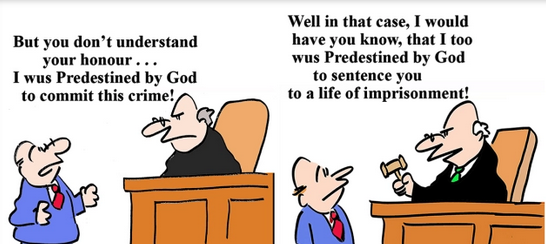
This is where things get uncomfortable. If God predestines some people for salvation, does He also predestine others to be lost?
That’s called double predestination—the idea that just as God elects some to eternal life, He also passes over others, allowing them to continue in their rebellion.
Paul wrestles with this:
“Shall the thing formed say to Him who formed it, ‘Why have You made me like this?’”
(Romans 9:20-21)
This can feel unfair. But the argument goes: If God is truly sovereign, doesn’t He have the right to do as He wills?
But hold on… doesn’t that contradict other parts of the Bible?
2. The Case for “We Choose” (Free Will)
Now, let’s flip the script. Imagine a father stretching out his hand to a child. The father doesn’t force the child to take his hand—the child has to choose to grasp it.
Key Scriptures:
“Choose this day whom you will serve.”
(Joshua 24:15)
“For God so loved the world that He gave His only Son, that whoever believes in Him should not perish.”
(John 3:16)
“God is not willing that any should perish, but that all should come to repentance.”
(2 Peter 3:9)
This is the Arminian (or Free Will) Perspective, which says:
✔️ Salvation is offered to everyone, but you must accept it.
✔️ God desires all people to be saved, but He won’t force them (1 Timothy 2:4).
✔️ Faith is a response to God’s grace, not an automatic result of election.
But Doesn’t That Make God Less Sovereign?
Some argue that if humans have free will, it could mean God isn’t fully in control. What if someone rejects Him? Wouldn’t that mean God’s will isn’t always done?
This leads to another big debate:
Does God predestine based on His will alone (Calvinism)?
Or does He predestine based on who He foreknows will believe (Arminianism)?
Romans 8:29 hints at this:
“For those whom He foreknew, He also predestined.”
Some believe this means God’s choice is based on knowing ahead of time who would choose Him.
So, which one is true?
3. Where Do Predestination and Free Will Connect?
At first glance, these two ideas seem contradictory. But what if… they actually work together?
Think of it like this:
Imagine salvation as a door. On the outside, you see a sign that says, “Whoever Will May Come.”
But once you step inside, you turn around and see another sign that says, “Chosen Before the Foundation of the World.“
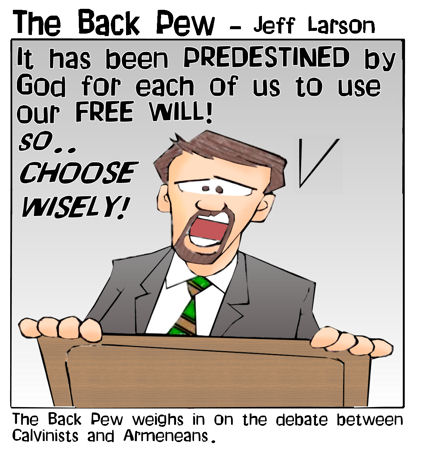
God’s Sovereignty + Our Responsibility = The Mystery of Salvation
How Both Are True in Scripture:God is 100% sovereign. He knows the end from the beginning. (Isaiah 46:10)We are 100% responsible. We must choose to follow Him. (Acts 16:31)
Salvation is a gift, not earned. But a gift must be received. (Ephesians 2:8-9)
Some theologians explain it like this:
🔹 From God’s perspective (eternal view): He knows exactly who will be saved and has predestined their salvation.
🔹 From our perspective (human view): We genuinely make choices that determine our eternal destiny.
This paradox isn’t something to “solve.” It’s something to trust—because the truth is, no one comes to God apart from His grace, but no one is turned away who truly seeks Him.
4. What Does This Mean for Us?
At the end of the day, this debate shouldn’t just stay in our heads—it should shape how we live.
🔥 Instead of stressing, seek Jesus! (Matthew 6:33)
🔥 Instead of debating endlessly, share the gospel boldly! (Romans 1:16)
🔥 Instead of wondering if you’re “chosen,” make sure you choose Him today! (2 Corinthians 6:2)
Because one thing is certain: No one ever got to heaven by debating theology—but plenty have by trusting in Jesus.
What Do You Think?
👉 Do you lean more towards predestination or free will?
👉 Can both be true at the same time?
👉 How does this change how you live your faith?
Drop your thoughts in the comments—let’s wrestle with this together! 🔥😊